

One Year Post Graduate Certificate Course in TV with specialization in Electronic Cinematography
This course opens up opportunities to the future generation of visual storytellers to pursue a career in professional cinematography. The course has been designed to nourish the pictorial and technological needs pertaining to the art and science of motion picture. Through a structured pedagogy, students are gradually exposed to various aspects of this specialized craft. With the ever-changing digital technologies in media, the opportunities available to professionals are becoming increasingly open ended. Keeping this in mind, the course lays emphasis on diverse visual storytelling aesthetics, supplemented with state-of-the-art equipment and overall infrastructure.
The facilities at hand include High-Definition Multi-Camera Television Studios, high-end digital cinema cameras, sophisticated optics, wide variety of lighting equipment and grips. In addition, the 4K digital colour grading suites enable our workflow to attain visual excellence. Students are also exposed to various interactions, both technical and creative, as well as workshops by professionals from the film industry.
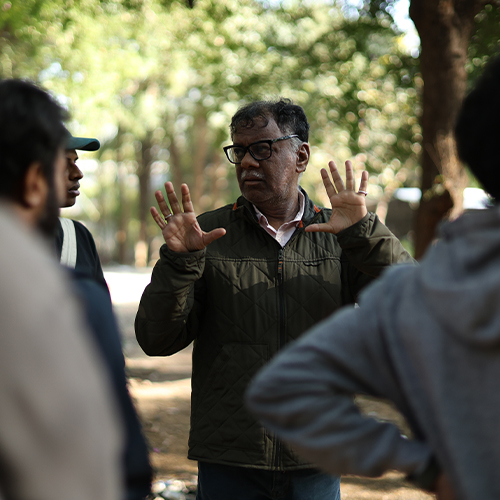
Structure: The course is divided into three carefully designed phases with a modular structure:
Phase 1: Introduction to Basic Visual Principle
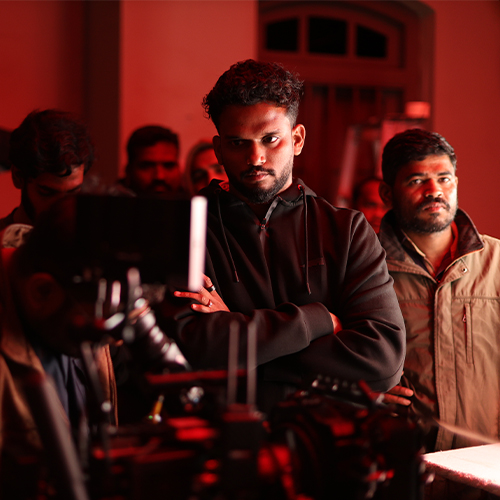
This common foundation module introduces students from all
disciplines to the fundamentals of cinematography through a
visually driven, aesthetic approach. Combining theoretical
instruction with hands-on single and multi-camera exercises,
this phase builds core perceptual and artistic awareness along
with technical competence.
Academic and creative guidance combined with structured feedback
sessions helps students develop perception towards visual
grammar. Emphasis is placed on understanding foundational visual
principles, image construction, composition, staging, light and
shot design.
Students are encouraged to expand their ways of seeing, engaging
with aesthetic concepts that shape human perception while
building a strong conceptual base essential for advanced
cinematographic study and creative exploration.
Phase 2: Specialization in Electronic Cinematography
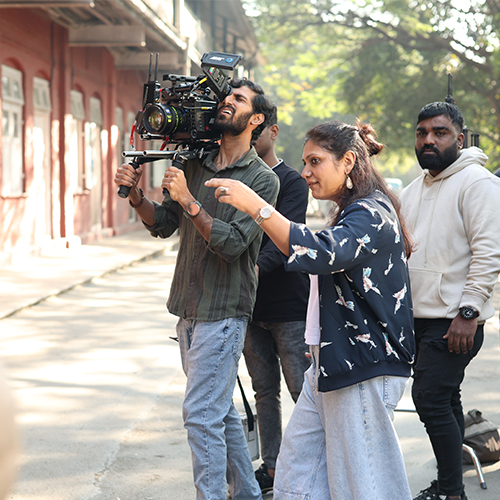
In this phase, students formally enter their area of
specialization in Electronic Cinematography. They undertake
fiction and non-fiction projects ranging from 5 to 12 minutes in
duration. These exercises are designed to deepen cinematic
understanding across diverse storytelling forms.
Working with contemporary cinema line camera systems, luminaires
and production technologies, students expand their visual
vocabulary in response to both narrative and documentary
contexts. Collaboration with peers from allied disciplines
mirrors real-world production practice.
Learning is enriched through sustained mentorship from
experienced faculty, intensive practical and workshops by
visiting experts. The emphasis is on refining craft,
strengthening visual decision making, and building a creative
core.
Phase 3: The Course-end Module
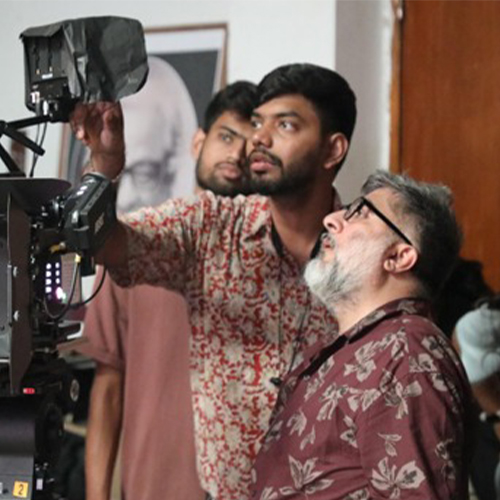
Students conceive and produce a 15-minute film that reflects
both professional-level execution and a clearly developed
personal visual language. This project serves as a culmination
of their technical training and artistic exploration in
cinematography.
Students take primary responsibility for the visual realization
of their film through the structured stages of ideation,
referencing, developing a stylistic approach, lighting plans,
camera strategy to on-set workflow and image post production.
The outcome is often a high standard film with unique
cinematographic authorship demonstrating aesthetic maturity,
technical competence and ensuring readiness for the demands of
contemporary screen production.
Course Duration: 01 Year (Yearly pattern, Total marks = 1000)
Total No. of Seats: 11
Eligibility Criteria: Bachelor's Degree or equivalent in any discipline
Faculty
- Dr. Bishwa B. Behura, Associate Professor and HoD
- Ms. Maheen Mirza, Assistant Professor
- Nishant Khurada, Assistant Professor